
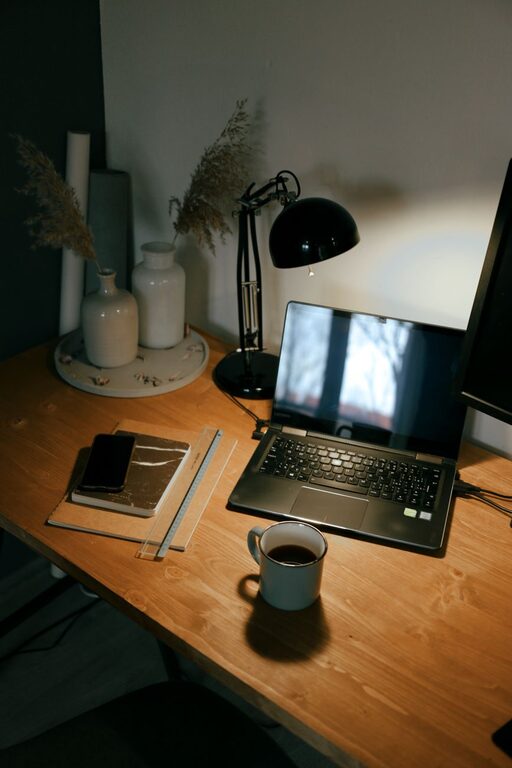
Creating a cozy and functional home workspace is essential for anyone who spends significant time working from home. A well-designed space promotes focus and comfort, making daily tasks easier and more enjoyable. Whether you have a dedicated room or a small corner in your living area, these practical tips will help you craft the perfect environment that balances functionality and coziness.
1. Choose the Right Location
Selecting the right spot in your home is the first step toward creating your ideal workspace. Here are some things to consider:
– Natural Light: Aim for a spot near a window to benefit from natural daylight. It helps boost mood and reduces eye strain.
– Quiet Environment: Pick a location with minimal distractions and noise so you can concentrate better.
– Space: Make sure there’s enough room for your desk, chair, and other essentials without feeling cramped.
If space is limited, consider multipurpose areas like a nook or even a section of your living room, using room dividers or rugs to define your workspace.
2. Invest in Ergonomic Furniture
Comfort is key when setting up your home office. Ergonomic furniture can prevent discomfort and health issues during long work hours.
– Chair: Choose an adjustable chair with good back support to maintain proper posture.
– Desk: Select a desk at a comfortable height where you can rest your arms and keep your wrists neutral.
– Monitor Setup: Position your screen at eye level to avoid neck strain. Laptop stands or monitor risers can help with this.
Remember, small investments in good furniture can have a big impact on your wellbeing and productivity.
3. Optimize Lighting
Good lighting sets the mood and minimizes eye fatigue.
– Task Lighting: Supplement natural light with a desk lamp that provides focused light for reading and writing.
– Ambient Lighting: Use soft, warm lights for general illumination to create a cozy atmosphere.
– Avoid Glare: Position your computer monitor to avoid reflections from windows or lights.
Using layered lighting gives flexibility for various activities throughout the day.
4. Personalize Your Space
Adding personal touches makes your workspace inviting and motivates you to spend time there.
– Decor: Add framed photos, plants, artwork, or motivational quotes that inspire you.
– Colors: Choose calming or energizing colors based on your preference. Soft blues and greens are relaxing, while yellows and oranges can boost creativity.
– Textures: Incorporate cozy textiles like cushions, throws, or rugs to add warmth.
A personalized space encourages a positive mindset and reduces stress.
5. Keep It Organized
Clutter can cause distractions. Keeping your workspace tidy helps maintain a clear mind.
– Storage Solutions: Use shelves, drawers, or bins to store supplies and paperwork out of sight.
– Declutter Regularly: Spend a few minutes at the end of each day clearing your desk.
– Cable Management: Use clips or organizers to keep cords neat and prevent tangling.
A well-organized workspace saves time and helps you feel more in control.
6. Use Technology Wisely
Technology supports your workflow, but it should not overwhelm the space.
– Essential Devices: Keep only the gadgets you genuinely need within reach.
– Wireless Options: Use wireless keyboards, mice, and headphones to reduce cable clutter.
– Charging Station: Designate a spot for charging devices to keep them accessible and ready.
Regularly update your devices to ensure they perform well and support your tasks efficiently.
7. Create Boundaries
Maintaining a work-life balance is important when working from home.
– Defined Workspace: Physically separate your work area from living spaces when possible.
– Work Hours: Set specific times for work and breaks to avoid burnout.
– Communication: Let family members or roommates know your work schedule to minimize interruptions.
Clear boundaries help you stay focused during work and relax during your personal time.
8. Add Some Greenery
Plants are an easy way to improve your workspace environment.
– Air Quality: Many indoor plants help purify the air.
– Mood Boost: Greenery can reduce stress and increase happiness.
– Visual Appeal: Plants add color and texture, making your space feel alive.
Choose low-maintenance plants like succulents, snake plants, or pothos if you don’t have a green thumb.
—
By thoughtfully setting up your home workspace, you can create an environment that supports your productivity while being comfortable and soothing. Remember, the best workspace reflects your personal needs and preferences, so feel free to experiment with these tips until you find what works best for you.