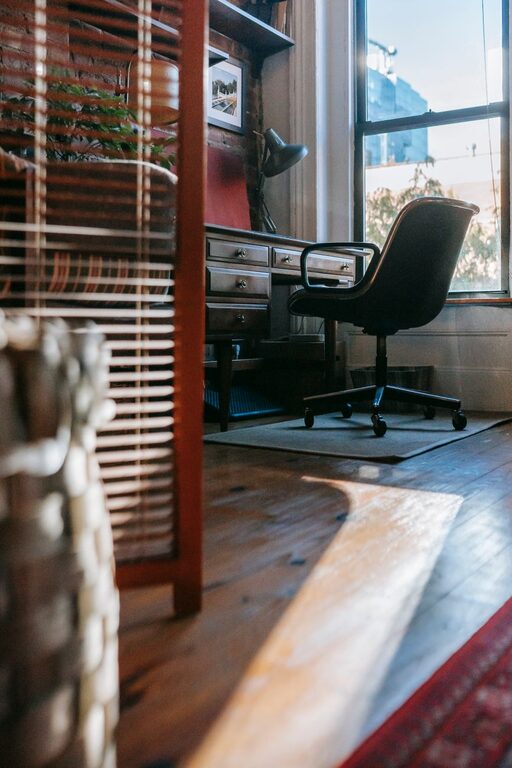

Creating a cozy and productive home office space can greatly improve your work-from-home experience. Whether you are freelancing, running a side business, or simply need a dedicated spot for remote work, your environment significantly impacts your focus and well-being. Below, we share practical tips to help you build a workspace that promotes both comfort and productivity.
1. Choose the Right Location
Find a Quiet Spot
Start by selecting a quiet area in your home where distractions are minimal. This could be a spare room, a corner in your living room, or even a section of your bedroom. The key is to have a dedicated space separate from your relaxation zones.
Consider Natural Light
Natural light is known to boost mood and energy levels. Position your desk near a window if possible. If natural light is limited, use bright but soft artificial lighting to reduce eye strain.
2. Invest in Comfortable Furniture
Ergonomic Chair and Desk
Comfort is critical when spending long hours at a desk. An ergonomic chair supports good posture, helping prevent back and neck pain. Pair it with a desk that suits your height for comfortable arm positioning.
Adjustable Options
If possible, choose furniture that is adjustable, such as a sit-stand desk or a chair with adjustable height and back support, so you can switch positions and reduce fatigue throughout the day.
3. Optimize Your Desk Setup
Keep Essentials Within Reach
Organize your desk so that items you frequently use—like pens, notebooks, or a phone—are easy to access. This minimizes interruptions and keeps you focused.
Cable Management
Tidy cables and cords using clips or cable organizers. A clutter-free desk not only looks better but also helps prevent distractions.
Use Multiple Monitors
For tasks that require multitasking or detailed work, multiple monitors can increase efficiency by giving you more screen real estate.
4. Personalize Your Space
Add Cozy Elements
Incorporate items that make the space inviting, such as a soft throw blanket, cushions, or a small rug. These touches add warmth to the room and create a welcoming atmosphere.
Plants for Freshness
Indoor plants improve air quality and bring a touch of nature indoors. Choose low-maintenance plants like succulents or snake plants if you don’t have a green thumb.
Inspiring Decor
Include artwork, motivational quotes, or photos that inspire you. Personal touches can boost mood and creativity throughout the workday.
5. Control Lighting and Temperature
Layer Your Lighting
Combine different light sources: overhead lights, desk lamps, and ambient lighting. This allows you to adjust brightness according to the time of day and task.
Maintain Comfortable Temperature
Ensure the room temperature is neither too hot nor too cold. Use fans or heaters as needed to create a comfortable working environment.
6. Manage Noise Levels
Use Noise-Cancelling Headphones
If your home is noisy, noise-cancelling headphones can help you concentrate by blocking out distractions.
Add Sound Absorbers
Soft furnishings like curtains, carpets, and upholstered furniture help absorb sound and reduce echo, contributing to a quieter workspace.
7. Organize and Declutter
Storage Solutions
Use shelves, drawer organizers, or filing cabinets to keep documents and supplies neatly stored. Clear surfaces and organized storage help reduce stress and improve efficiency.
Declutter Regularly
Set aside a few minutes daily or weekly to tidy your workspace. Removing unnecessary items clears your mind and keeps your office inviting.
8. Utilize Technology and Tools
Reliable Internet Connection
A strong and stable internet connection is essential for uninterrupted work, especially during virtual meetings.
Productivity Apps
Consider tools for task management, time tracking, and note-taking. Apps like Trello, Asana, or Evernote can help keep you organized and on schedule.
9. Set Boundaries
Establish a Routine
Create a work schedule and stick to it. Having clear start and end times helps you maintain a healthy work-life balance.
Communicate with Household Members
Let others in your home know your work hours to minimize interruptions and foster respect for your workspace.
Conclusion
Designing a cozy and productive home office involves thoughtful choices about location, furniture, organization, and ambiance. By incorporating these tips, you can create a workspace that not only supports your professional needs but also feels inviting and comfortable. A well-designed home office boosts your focus, creativity, and overall satisfaction with remote work. Start transforming your space today, and enjoy the benefits of a harmonious work environment at home.